
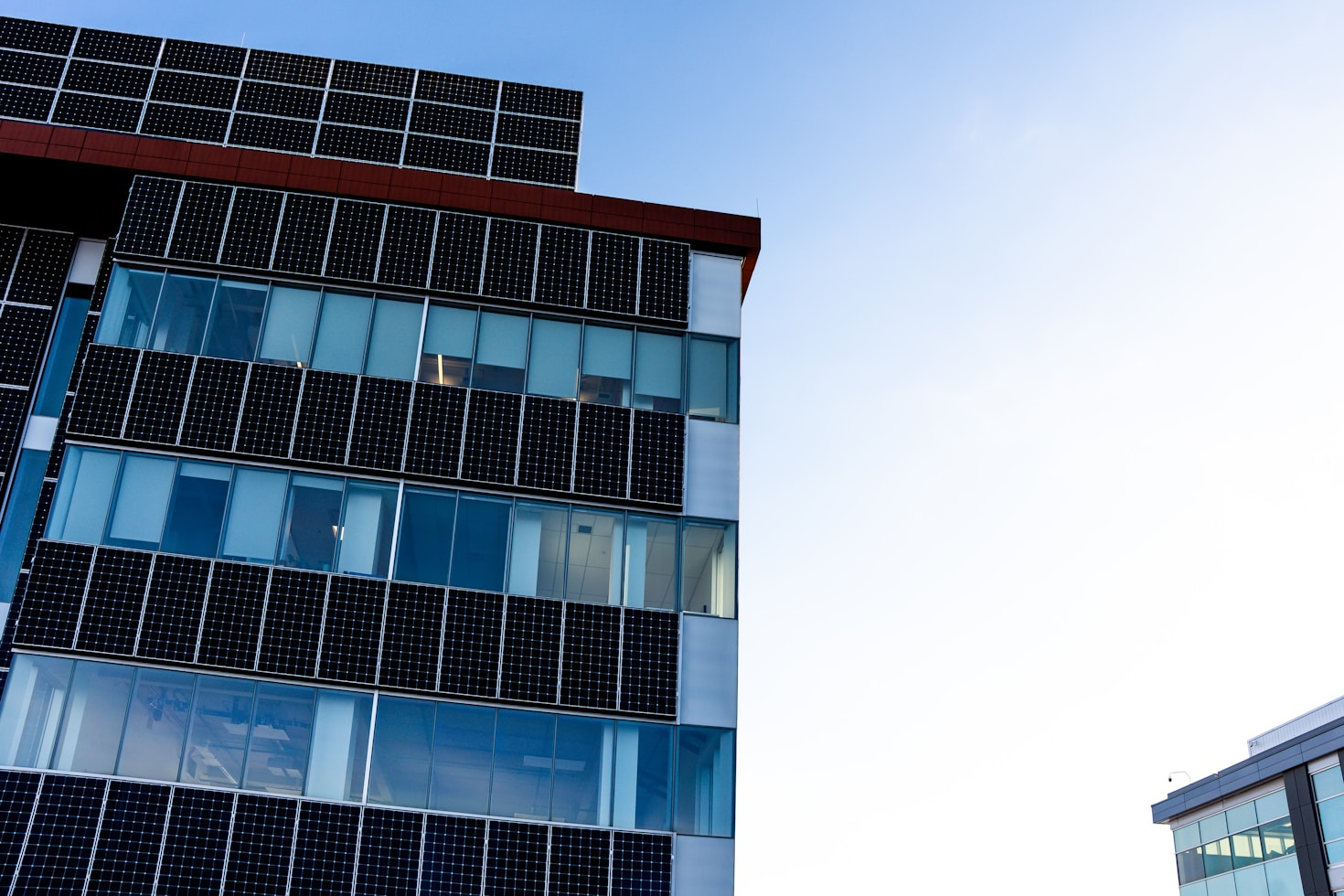
Sustainability practices now shape modern businesses because environmental performance is no longer a side issue handled only through branding or corporate philanthropy. It increasingly affects costs, supply chains, investor expectations, regulation, energy use, infrastructure planning, and long-term competitiveness. In practical terms, sustainability has moved from the margins of business strategy into the operating core. Companies are being pushed to think more seriously about energy efficiency, materials use, resilience, emissions exposure, waste reduction, procurement, and the durability of their business model under changing policy and climate conditions. That shift matters because the firms that treat sustainability only as a messaging exercise are often less prepared for the operational, financial, and regulatory pressures that now define modern markets.
In modern business, sustainability is no longer only about reputation. It is increasingly about resilience, efficiency, and whether a company is built to hold up under future pressure.
One reason this change is so significant is that sustainability practices influence far more than carbon disclosures or annual reports. They shape how firms manage energy demand, how they source raw materials, how they design products, how they think about logistics, and how they plan for disruption. A company that reduces waste, improves building performance, modernizes energy systems, and tightens procurement standards is not only signaling environmental awareness. It may also be lowering long-term operating risk. At the same time, sustainability practices can expose gaps in companies that are heavily dependent on fragile supply chains, outdated infrastructure, volatile energy inputs, or business models built around short-term efficiency at the expense of long-term durability. In that sense, sustainability is changing the way businesses measure strength itself.
Quick View: How Sustainability Shows Up in Business Strategy
| Business area | Sustainability practice | Why it matters |
|---|---|---|
| Energy use | Efficiency upgrades and cleaner power sourcing | Can reduce long-term cost and exposure to volatility |
| Supply chains | More transparent sourcing and risk screening | Improves resilience and reduces hidden exposure |
| Operations | Waste reduction and process efficiency | Supports both cost control and resource productivity |
| Facilities | Building performance and climate resilience planning | Helps protect assets and lower operating strain |
| Strategy | Long-term environmental risk integration | Improves preparedness under policy and market change |
What makes this especially important is that sustainability practices are no longer shaping only large multinational firms. Smaller and mid-sized businesses are also feeling the effect through insurance costs, client expectations, procurement requirements, financing conditions, and energy exposure. In some industries, major buyers now expect more reporting and more operational clarity from the companies they work with. In others, the pressure comes through local regulation, physical climate risk, or the simple reality that inefficient systems are becoming more expensive to operate. This creates a wider business divide. Some firms use sustainability practices to modernize operations and make their model more durable. Others treat the issue as cosmetic and risk falling behind when policy, infrastructure, or cost conditions shift faster than expected.
That does not mean sustainability is automatically simple or cheap. It often requires upfront investment, new measurement systems, internal coordination, and a longer planning horizon than many firms are used to. Some sustainability practices produce clear short-term payoffs. Others are more strategic, protecting against future risk rather than improving next quarter’s margin. That tension is one reason the subject remains uneven across sectors. But the broader direction is clear. Sustainability is increasingly shaping how businesses think about efficiency, resilience, risk, and value creation. It changes not only what firms say about themselves, but how they design their operations and how credible they appear under pressure.
Wrapping Up with Key Insights
Modern businesses are being reshaped by sustainability because the operating environment itself is changing. Energy systems are shifting, regulation is tightening, physical climate risks are becoming harder to ignore, and investors, customers, and institutions increasingly want to know whether a company can perform under those conditions. Sustainability practices matter because they help determine whether a business is efficient, adaptive, and credible over the long term. The strongest firms will not be the ones that simply talk about sustainability the most. They will be the ones that use it to improve how they source, build, operate, and plan for a more demanding future.
Leave a Reply