
Tag: Featured
-
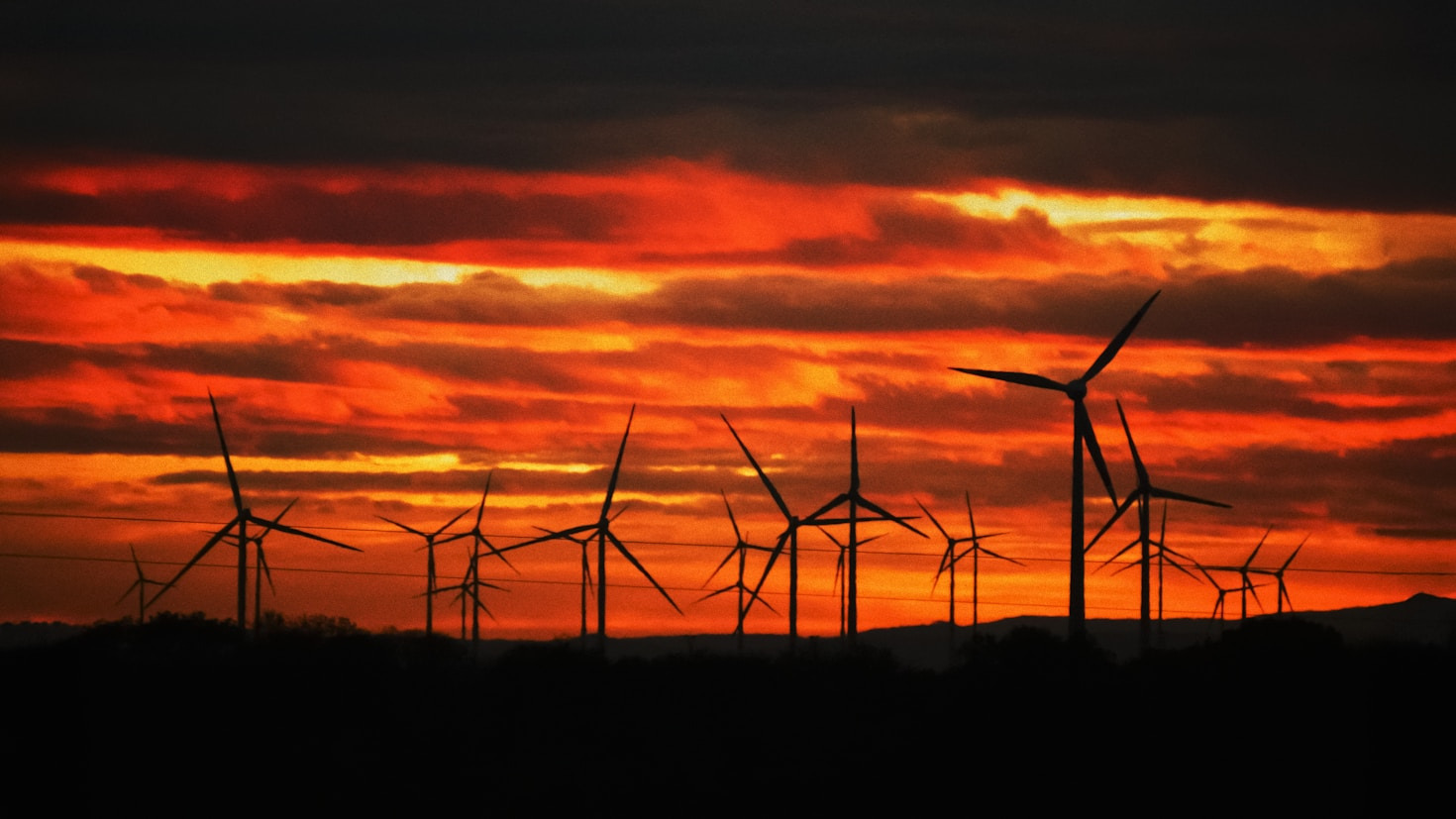
Energy and sustainability are often discussed as if they are separate goals that only meet at the level of climate targets. In reality, they are deeply connected. Energy systems shape emissions, land use, industrial capacity, affordability, public health, resilience, and the speed at which economies can adapt to environmental pressure. Sustainability, in turn, depends on…
-
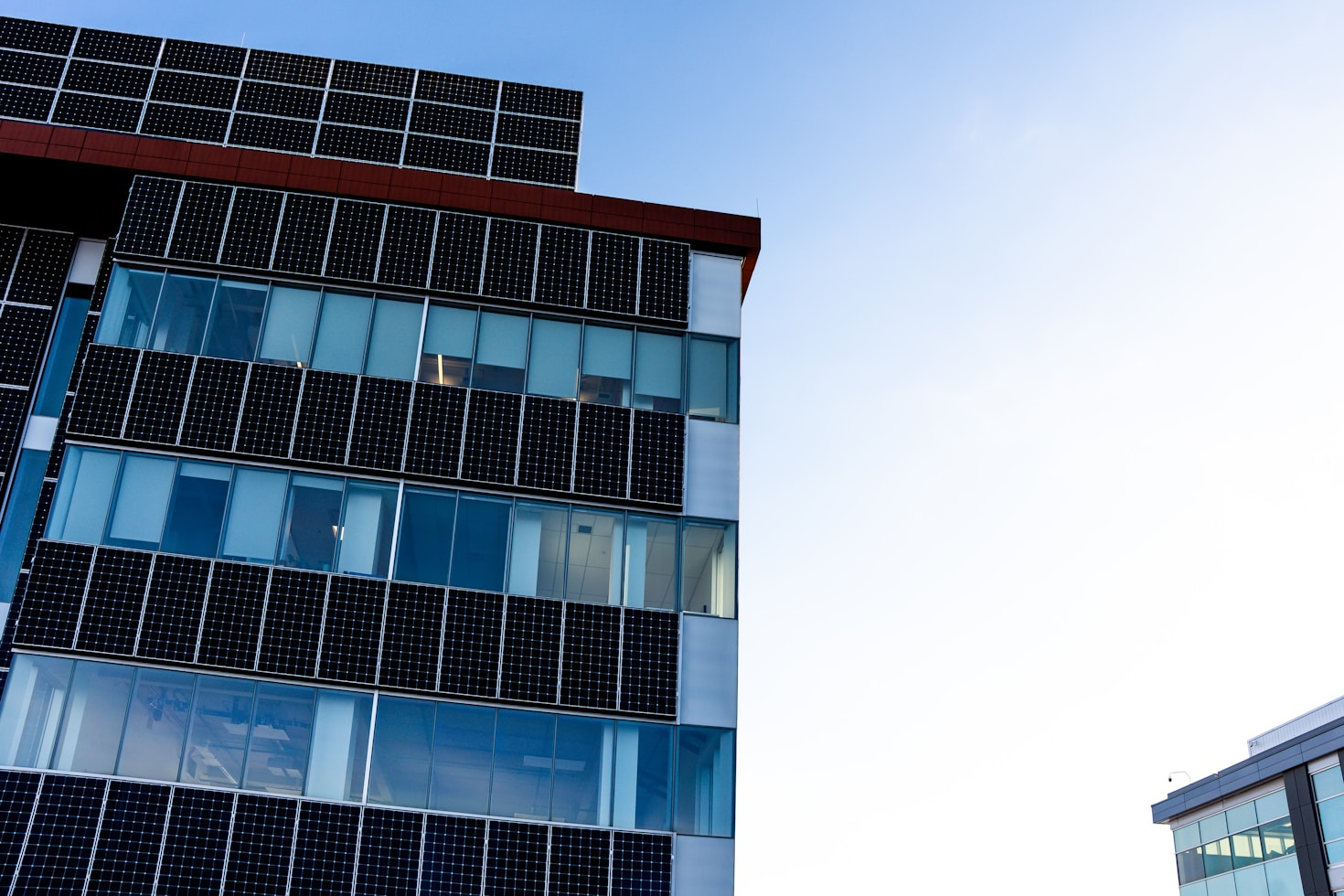
Sustainability practices now shape modern businesses because environmental performance is no longer a side issue handled only through branding or corporate philanthropy. It increasingly affects costs, supply chains, investor expectations, regulation, energy use, infrastructure planning, and long-term competitiveness. In practical terms, sustainability has moved from the margins of business strategy into the operating core. Companies…
-

Combating climate change effectively requires more than broad awareness or symbolic commitments. The strongest strategies are the ones that reduce emissions, improve resilience, and hold up under political, economic, and infrastructure constraints. That means the conversation has to move beyond slogans and toward delivery. Climate change is driven by energy systems, land use, industrial activity,…
-

Renewable energy now plays a central role in global development because it is no longer only an environmental option. It is increasingly an economic, infrastructure, and resilience strategy. In many regions, access to cleaner power can improve energy security, reduce fuel dependence, support public services, lower long-term operating costs, and expand development options that were…